ABOUT WAKAYAMA-SAN
AND ME
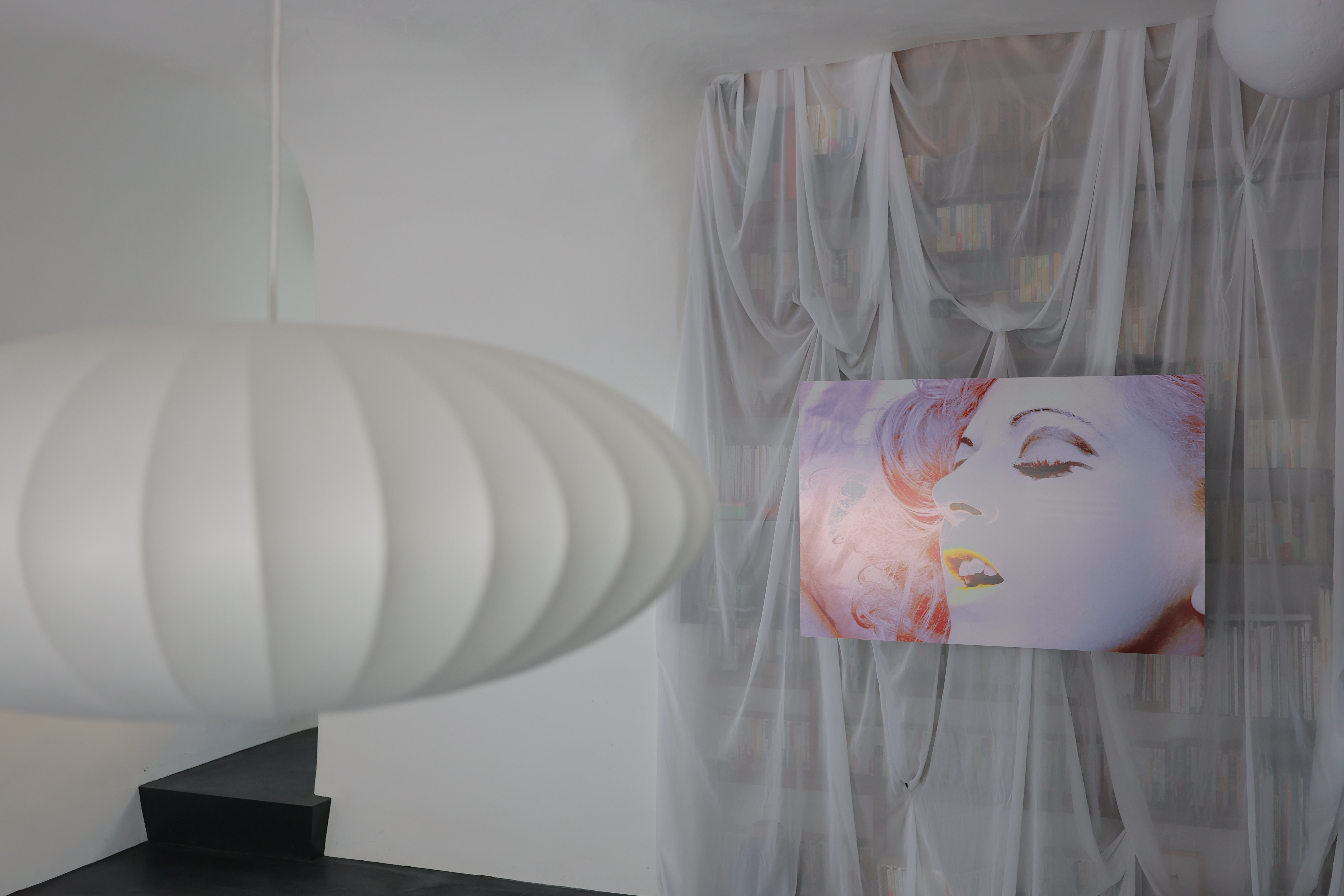
Congratulations on the opening of this deeply personal museum.
It has been about two years since I first heard of Wakayama-san's plan. To see it finally take shape is deeply moving. My heartfelt congratulations.
To live with the art you love. And from this place, to breathe new life into the culture of Ashimori. It is a strong and passionate resolve that feels unmistakably like Wakayama-san.
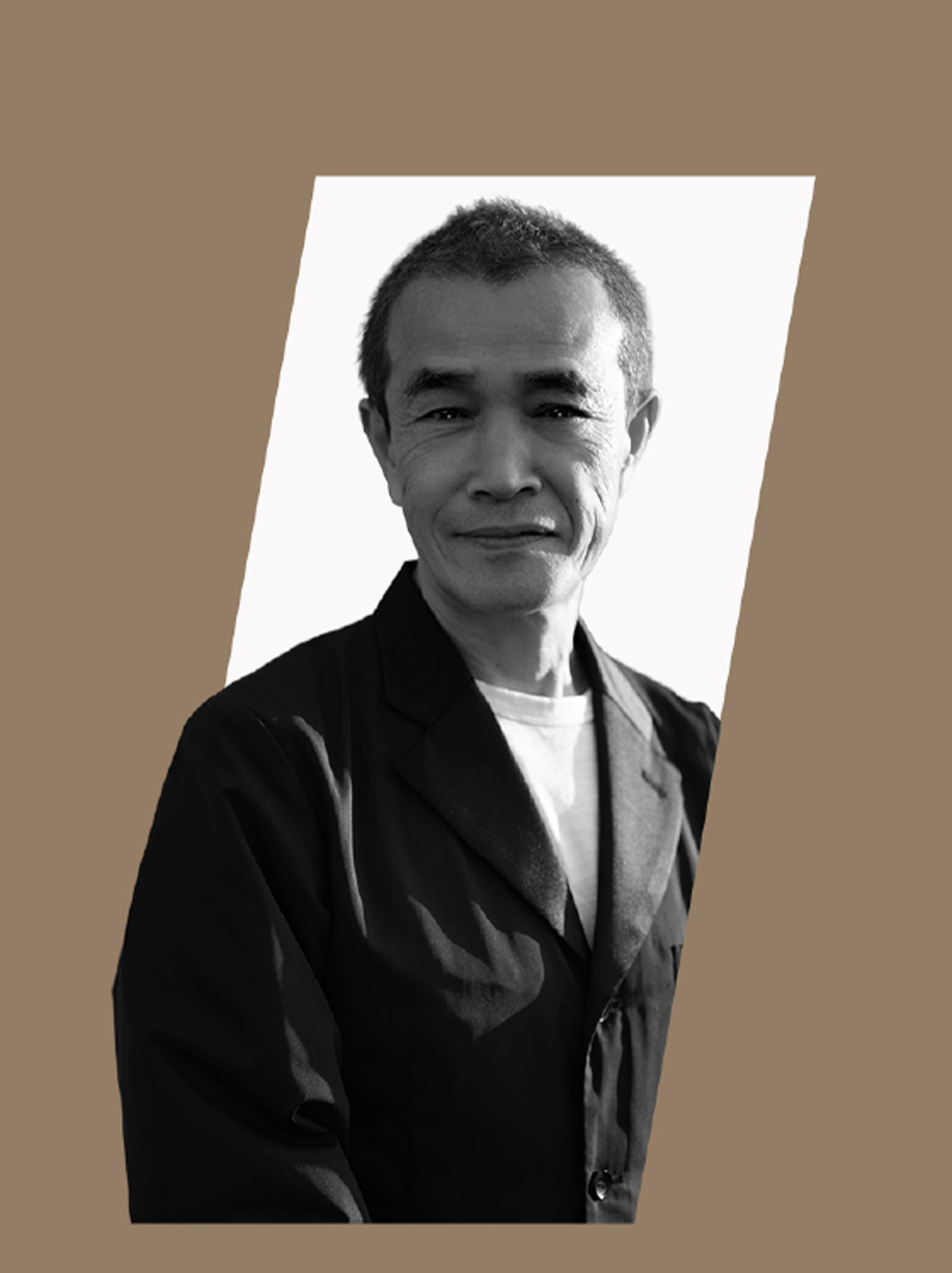
With the opening of ArsKMW, one of my missions is to continue this column. Before beginning the series, I would first like to unravel the relationship between Wakayama-san and myself. As for what the theme should be? I think I will ask Wakayama-san.
First, a little about myself.
While studying at art university and working as an artist, I became increasingly troubled by the fact that so little remained of the activities and works of Japan's earlier avant-garde artists. It made me question the country's attitude toward contemporary art and new culture, and the fragile conditions surrounding them. In 1985, I began to think that rather than remaining solely on the side of expression, it might be more urgent to become someone who creates the conditions for art — a curator, someone involved in building the structures around it. I hurriedly obtained qualifications as a curator and teacher. Then, in 1988, a young man with large ambitions — myself — was fortunate enough to join Spiral / Wacoal Art Center. At Spiral I worked on numerous exhibitions held within the building. From around 2000, under the banner of “produce,” I increasingly pursued art projects outside the institution. At the end of June this year, when my term came to an end, I left Spiral in order to allow myself one small act of selfishness: to pursue what I still wanted to make happen.
Spiral is a multidisciplinary cultural center established in Minami-Aoyama by Wacoal, one of Japan's leading women's apparel companies, as a base for cultural communication. Under the then-radical theme of “the fusion of life and art,” it entered Japan's art scene with remarkable confidence. Designed by architect Fumihiko Maki, Spiral is an exceptionally beautiful and distinctive art center. Unlike a conventional museum, an art center does not necessarily maintain a permanent collection. It can instead function as an alternative space — a place free from established conventions, where experimental activity can take place. I joined Spiral as its first specialist curator.
At first, I felt a slight sense of incongruity in seeing an apparel company engage so seriously with art and the most advanced forms of creative practice. Soon after joining, however, I understood that the project was supported and propelled by Wakayama-san and a network of leading planners from the advertising world. At the time, Wakayama-san ran an extraordinary company called Daigaisha. He was one of the advertising industry's leading planners, working on major clients and even writing lyrics for popular songs. Together with other top creators of the period, he was also a founding member of Yushu Company, which brought together first-rate creative expertise to develop integrated projects. They helped shape Spiral's early operating philosophy and programming from the very beginning. For that reason, Wakayama-san is a great benefactor both to Spiral and to me personally.
In the atrium around Spiral's beautiful winding ramp, works by artists I had previously encountered only in overseas art magazines were exhibited. The Spiral Café was always occupied by stars of the creative world. The hall hosted theatre and dance by internationally acclaimed artists, while CAY presented world-music concerts and welcomed celebrated visitors from around the globe. Even the underground car park was routinely lined with supercars — including, of course, Wakayama-san's Porsche 911. With the support of so many remarkable people, we collectively turned the Spiral we admired into something that, at the time, seemed almost impossible.
A slight digression: in those days, design seemed far cooler than art. For young people drawn to creative work, the dream professions were designer, copywriter, art director and illustrator. Japanese advertising was genuinely exceptional. Budgets that would be unimaginable today were invested in it, and companies and creators competed fiercely with one another. There were stars everywhere. Tokyo itself seemed intoxicated by the booming economy, and television commercials and advertising were at their peak.
Contemporary art, by contrast, was often regarded as something marginal or eccentric, and artists themselves were frequently seen simply as strange people. That was the atmosphere of the time. Then the bubble economy collapsed. As society changed and the economy entered a long period of stagnation, contemporary art finally found a new role. Public museums and cultural institutions built across Japan could no longer afford the expensive exhibitions of European masterworks that had once been used to attract enormous audiences. In very simple terms, attention shifted toward Japanese contemporary art, which offered a very different economic model. Looking back, however, this period also created important conditions for Japan's art world. Artists developed, exchanges with overseas institutions expanded, artist-in-residence programs and new methods emerged, and an environment capable of nurturing new culture gradually began to take shape.
At the end of 2023, as the pandemic receded and the atmosphere of Christmas finally returned, I suddenly received a phone call from Wakayama-san. “I've decided to build an art museum in Ashimori. I want you to help me.” Coming from Wakayama-san, it felt almost like an order — and naturally I replied that I would be delighted to help. Later, I found myself thinking that perhaps “help” was not quite the right word. The call came just as I had decided to leave Spiral. The timing was almost too perfect to call mere coincidence. I could only feel profoundly fortunate.
From that phone call onward, we met once a month at the Spiral Café. For almost two years, Wakayama-san's dream and the realities surrounding art confronted one another across the table. Just as I began to feel that the time was approaching, a thick envelope arrived. Inside was a handwritten letter. I received his passion and determination with deep gratitude. And finally, on October 19, 2025, ArsKMW opened.
A beautiful white space enclosed by curves. There is only a moment to admire its elegance before the real work begins. I find myself renewing my resolve. After all, for a place like this, completion is only the beginning. My hope is that Wakayama-san will remain healthy in both body and spirit, and continue this long struggle with the same sense of style for many years to come.